

Your Wedding Day Should Feel Like a Dream, Not a To-Do List
Why having a wedding planner by your side makes all the difference.
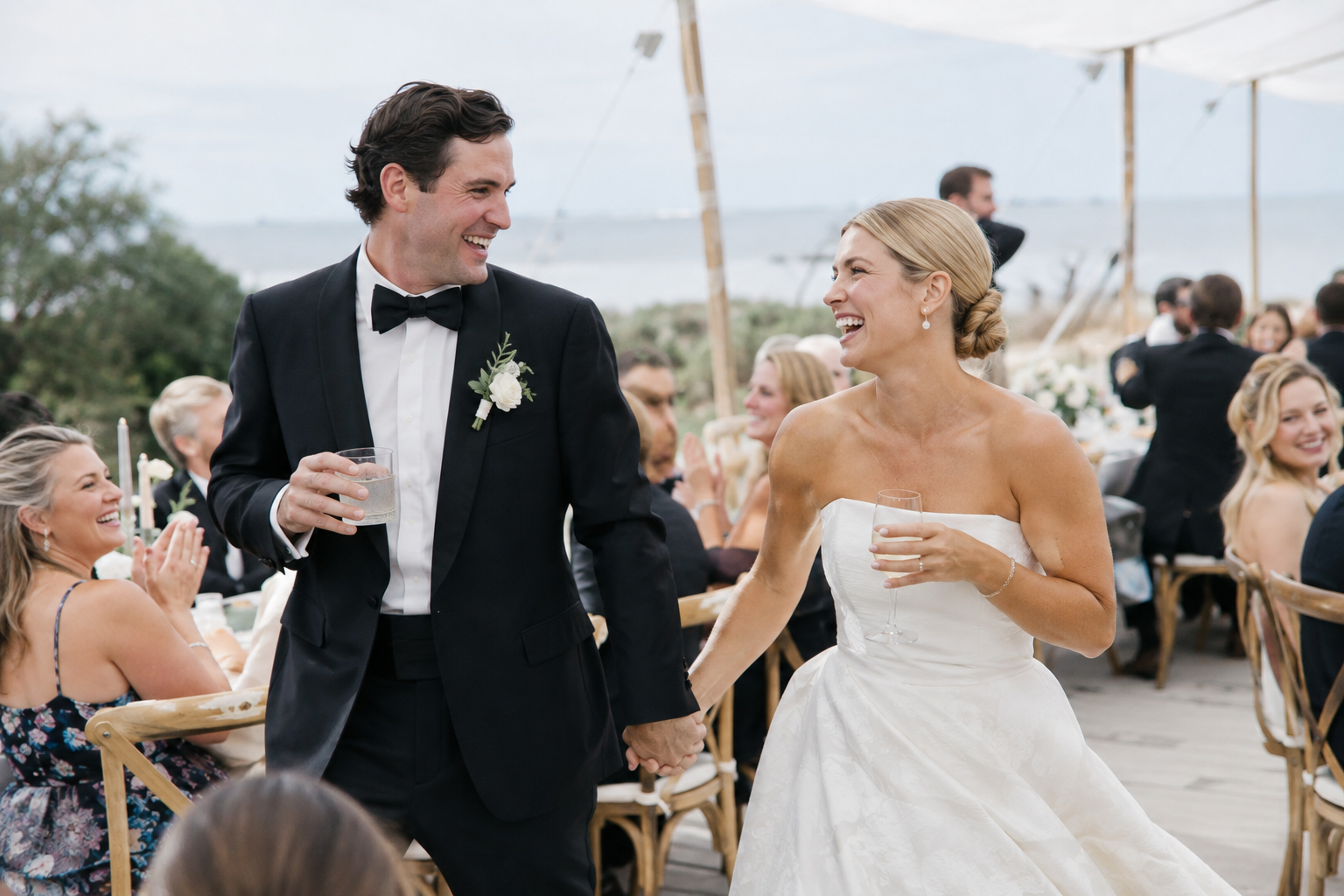

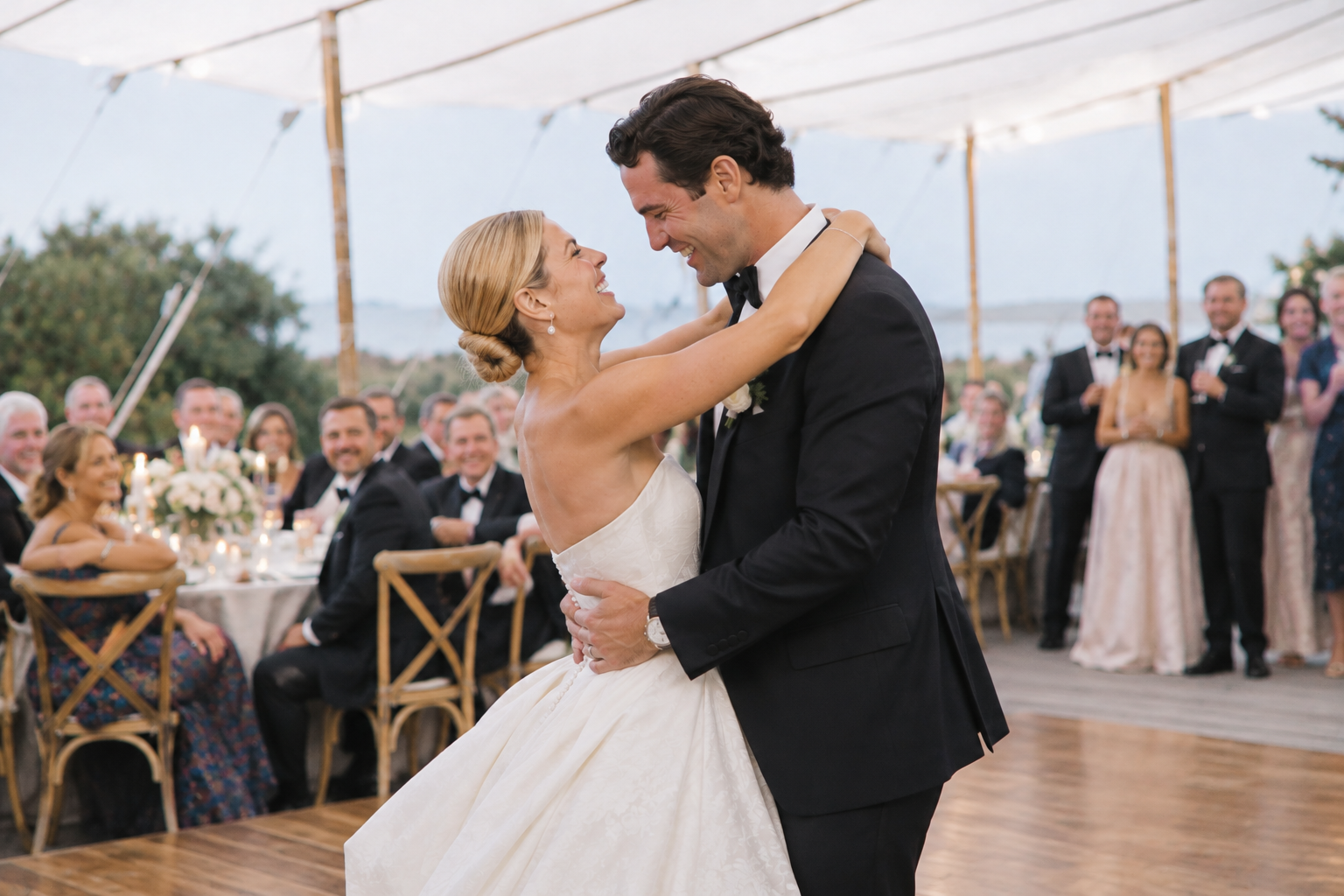
What every couple should know about wedding planning, coordination, and creating a seamless celebration.
Planning a wedding is one of the most exciting experiences in a couple's life. From selecting the perfect venue to choosing vendors, designing the reception, and incorporating meaningful personal touches, there are countless decisions that go into creating a memorable celebration.
But as the wedding day approaches, many couples begin to realize just how much coordination is required to bring everything together.
Who makes sure the vendors arrive on time? Who coordinates the ceremony processional? What happens if the weather changes? Who manages the timeline, communicates with the venue, and handles unexpected challenges?
These are important questions, and ones that are often overlooked during the early stages of wedding planning.
At The Perfect Plan, we believe that couples should be able to enjoy their engagement and wedding day without feeling responsible for managing every detail themselves.
Whether you're planning an intimate coastal ceremony, a tented estate wedding, or a grand ballroom reception, understanding what goes into professional wedding planning can make all the difference.
Wedding Planning vs. Wedding Coordination: What's the Difference?
One of the most common questions couples have is whether they need a wedding planner, a wedding coordinator, or both.
Although the terms are sometimes used interchangeably, these services can serve different purposes.
Wedding Planning
Wedding planning typically begins earlier in the engagement and involves helping couples organize and develop the overall celebration.
Depending on the services selected, this may include:
Establishing a realistic wedding budget and identifying priorities.
Researching venues and recommending vendors.
Assisting with wedding design, layouts, and logistical decisions.
Reviewing vendor proposals and coordinating important details.
Developing a comprehensive wedding timeline.
Managing communication between vendors as the wedding approaches.
A wedding planner helps guide the process, ensuring that decisions are organized, thoughtful, and aligned with the couple's vision.
Wedding Coordination and Wedding Management
Wedding coordination generally focuses on bringing together the plans that have already been established.
For couples who enjoy planning their own wedding but want professional assistance with execution, wedding management can be an excellent option.
A coordinator may assist with final vendor confirmations, timeline development, ceremony rehearsals, setup oversight, and managing the wedding day from beginning to end.
The goal is simple: allow the couple, their families, and their wedding party to participate in the celebration rather than manage it.
Why Your Wedding Timeline Matters More Than You Think
A wedding timeline is much more than a schedule showing when the ceremony begins and dinner is served.
A well-developed timeline accounts for the many moving pieces that need to happen throughout the day, often simultaneously.
For example, while the wedding party is finishing photographs, the catering team may be preparing cocktail hour, musicians may be completing sound checks, and the florist may be putting the finishing touches on the reception space.
Each vendor has responsibilities, but those responsibilities need to work together.
An effective wedding timeline should account for:
Vendor arrival, deliveries, and setup.
Hair, makeup, and getting-ready preparations.
First looks and family photography.
Guest arrival and ceremony seating.
Ceremony processional and recessional.
Cocktail hour and reception transitions.
Introductions, speeches, dinner service, and special dances.
Entertainment, transportation, and event conclusion.
Breakdown and collection of personal items.
One important consideration is building flexibility into the schedule.
Photography may take longer than expected, transportation can encounter delays, or a ceremony may begin a few minutes late. A thoughtful timeline includes reasonable buffers and allows the event team to make adjustments without disrupting the guest experience.
A successful wedding timeline should provide structure without making the celebration feel overly scheduled.
The Importance of Vendor Communication
One of the most overlooked aspects of wedding planning is vendor communication.
Your photographer, florist, caterer, entertainment team, transportation provider, rental company, and venue staff may all be exceptional at what they do. However, each vendor is responsible for a different part of the celebration.
Without a central point of communication, important details can be missed.
Consider a tented wedding reception.
The rental company needs to know when the property will be accessible. The florist needs to understand when tables will be ready for arrangements. The caterer needs the final floor plan and service schedule. The entertainment team needs to know where power is available and when sound checks can take place.
Even seemingly small decisions can affect several vendors.
This is where professional wedding management becomes especially valuable.
At The Perfect Plan, we focus on understanding the overall event, identifying logistical dependencies, and helping ensure that the vendors involved have the information they need.
Clear communication before the wedding allows everyone to arrive prepared and work toward the same goal.
What Happens When Something Doesn't Go According to Plan?
Even the most carefully organized wedding can encounter unexpected challenges.
New England weddings, in particular, often require thoughtful contingency planning because of changing weather conditions.
An outdoor ceremony may need to move inside. A tented reception may require additional weather protection. Transportation arrangements may need to change, or a vendor delivery may arrive later than anticipated.
The most important part of managing these situations is having a plan before they occur.
For outdoor and tented weddings, couples should consider several important questions:
Is there a designated indoor or covered backup location?
Who has the authority to make a weather-related decision?
When must that decision be finalized?
Will the alternative layout accommodate the full guest count?
Are additional rentals, flooring, lighting, or weather protection necessary?
How will vendors and guests be informed of changes?
These conversations should happen well before the wedding weekend.
With a clear contingency plan, couples can feel more confident knowing that alternative arrangements have already been considered.
Your Family and Friends Should Be Guests, Too
It's natural to want family members and close friends involved in your wedding.
Perhaps your mother has helped with the floral inspiration, your sister has organized the bridal shower, or your best friend has been involved in every planning decision.
But on the wedding day itself, those same people deserve to enjoy the experience alongside you.
Asking a family member to coordinate vendor arrivals, direct guests, manage the ceremony, or oversee reception setup can unintentionally turn their role as a guest into a job.
A professional coordinator provides a dedicated point of contact for the operational details, allowing loved ones to focus on the celebration.
Instead of worrying about whether the transportation has arrived or the reception space is ready, your family can be present for the moments that matter most.
Five Things to Finalize Before Your Wedding Day
As your wedding approaches, there are several details worth reviewing with your planning team.
1. Confirm Your Vendor Details
Review arrival times, contact information, delivery locations, setup requirements, and any outstanding logistical questions. Ensure each vendor has the most current timeline and understands their responsibilities.
2. Review Your Floor Plans
Confirm ceremony seating, reception tables, guest circulation, entertainment placement, catering service areas, and accessibility needs. For tented events, review power requirements, flooring, and weather considerations.
3. Finalize Your Ceremony Logistics
Determine the processional order, music cues, reserved seating, and responsibilities for distributing programs or assisting guests. If you're having a rehearsal, use that time to clarify expectations for everyone involved.
4. Organize Your Personal Wedding Items
Prepare an inventory of items such as signage, guest books, favors, table numbers, place cards, and personal décor. Clearly identify who is responsible for bringing each item to the venue and collecting it afterward.
5. Establish a Wedding-Day Point of Contact
Your vendors should know whom to contact if questions arise. Ideally, this should be your planner or coordinator rather than the couple or their immediate family.
Finalizing these details in advance helps reduce last-minute decisions and creates a more organized experience for everyone involved.
The Perfect Plan: A Thoughtful Approach to Wedding Planning
Founded by Connie Nye Clarke, The Perfect Plan was established around the importance of thoughtful event planning, personalized service, and creating meaningful celebrations.
As Lead Wedding Planner and Partner, I have the pleasure of working with couples to bring their individual visions to life while helping manage the many logistical details that make a successful wedding possible.
My background in event management has given me experience coordinating intimate gatherings, formal celebrations, and large-scale events involving extensive vendor collaboration, complex timelines, and detailed operational planning.
Regardless of the size or style of the event, I believe the same principles apply: preparation, communication, creativity, and attention to detail.
Every couple approaches wedding planning differently. Some have a clear vision from the beginning, while others need assistance identifying priorities, organizing ideas, or navigating the many decisions involved.
Our approach at The Perfect Plan is to meet couples where they are in the planning process and provide guidance that supports their individual needs.
Whether that means assisting with planning decisions, coordinating vendors, developing timelines, or overseeing the wedding day itself, our focus remains on creating an organized and enjoyable experience.
A Beautiful Wedding Is About More Than the Details
When couples reflect on their wedding day, they may remember the beautiful flowers, the reception design, or the incredible meal.
But often, the most meaningful memories are the moments that cannot be scheduled.
Seeing your partner for the first time. Sharing a quiet moment with a parent. Hearing your closest friends give a heartfelt toast. Looking around the room and realizing that everyone you love is gathered together in one place.
Those are the moments that make a wedding extraordinary.
Thoughtful planning creates the foundation for those experiences, and professional coordination helps ensure that the logistical details don't take attention away from them.
Your wedding day should be a celebration you experience, not an event you have to manage.
Planning a Wedding in 2027?
The Perfect Plan is currently welcoming inquiries for the 2027 wedding season.
Whether you're planning a coastal New England wedding, a celebration at a historic estate, a tented reception, or an intimate gathering with family and friends, we would love to learn more about your plans.
We understand that every wedding is different, and we're passionate about helping couples create celebrations that reflect their personalities, priorities, and vision.
If you're beginning your wedding planning journey or looking for professional assistance as your wedding approaches, we invite you to connect with our team.
Let's create a celebration that is beautifully planned, thoughtfully coordinated, and entirely yours.
Lauren Elizabeth Bek
Lead Wedding Planner & Partner
The Perfect Plan
Now welcoming 2027 wedding inquiries.